


FREQUENTLY ASKED QUESTIONS
This is a thermodynamic challenge. Staling is caused by moisture loss (low WVTR needed); sogginess by trapped condensation (high WVTR needed). We solve this with controlled Permeability Management. We use boards with moderate WVTR and strategically place micro-perforations (typically laser-etched holes < 0.5mm) in non-critical areas. This allows initial high-volume steam release from the warm product, preventing condensation, but the overall barrier is maintained to slow the long-term dehydration (staling) of the product core, thus preserving optimal texture.
Grease resistance is measured using the KIT Test (or TAPPI T 559). This test involves placing drops of progressively aggressive mixtures of castor oil, toluene, and heptane onto the material until failure (penetration) occurs, which correlates to a numbered rating (typically 1 to 12). For high-fat bakery items like donuts or croissants, we mandate a minimum KIT Test Level of 5 to 7 to guarantee that fat wicking and staining are aggressively prevented throughout the product's entire shelf-life extension.
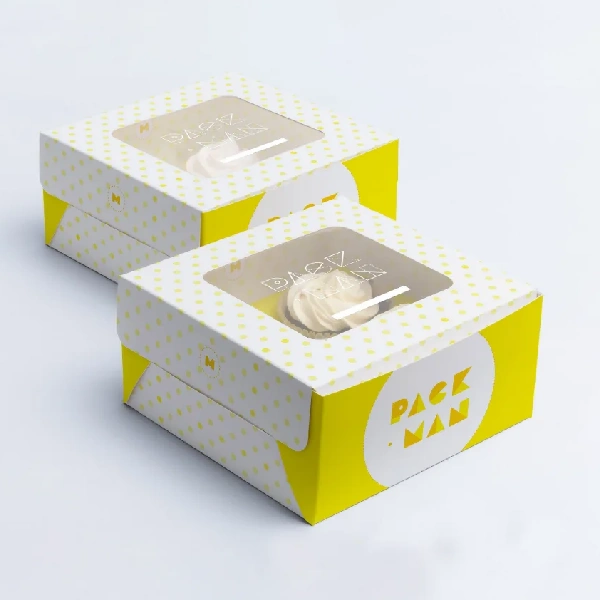
Refrigerated display environments create a significant temperature gradient between the chilled package interior and the warmer ambient air. This causes rapid and heavy condensation on the inside surface of standard window films, obscuring the product and destroying the brand visibility. Anti-fog films utilize specialized surfactants (or treatments) that reduce the surface tension of the film, causing the condensing moisture to sheet into an invisible, clear layer rather than forming obscuring micro-droplets.
Reviews
There are no reviews yet.